The electorate
is speaking.
We are listening.
A lifetime of fieldwork. An uncompromising commitment to impartiality. And a few people who still answer the phone.
Certainty is earned.
Not assumed.
Our toss-up designation reflects a broad range of possible outcomes. The Institute does not rush to narrow it.
Read the methodologyToss-up
Methodology demonstration. Not a live election forecast.
Inside the Lichtman methodology
A representative sample should reflect the electorate, including the people who would prefer not to speak with a pollster. The Institute’s work begins there.
In this classification, a win probability from 20% through 80% is a toss-up. Probabilities outside that interval fall outside the toss-up range; this demonstration does not assign additional ratings.
Probability is not vote share. A 60% chance of winning does not mean a candidate is expected to receive 60% of the vote. No live polling data feeds this display.
Before the dashboard,
there was the doorstep.
Nate Lichtman believes understanding voters begins with finding them.
From the earliest focus groups to the modern forecasting model, the Lichtman tradition has endured changing technology, changing electorates, and recurring difficulties with data entry.
Today, the Institute brings that tradition to election analysis, public lectures, and the ongoing search for a representative sample.
It runs
in the family.
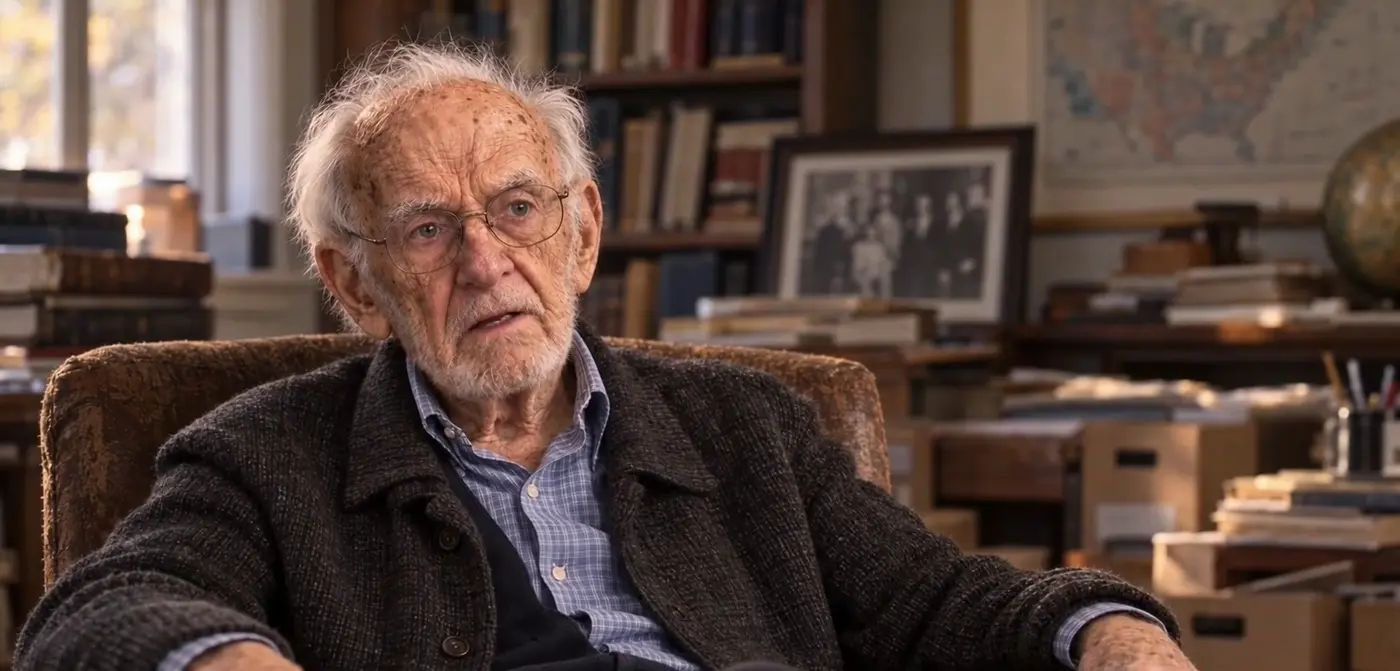
The Lichtman family history, told by Nate and the people documenting it. An examination of lineage, persistence, and the origins of a forecasting institution.
Full film · With captions · Sound on demand
Browse the video library ↗ Family archives ↗A representative sample.
If you can catch one.
Take Nate into the field. Find the shy voters. Reach the Republicans who would rather keep walking. Bring back a sample that actually resembles the electorate.
Five states. Ninety seconds. One defensible sample.
Play Nate in the Field ↗The assignment
Recruit a balanced sample before time runs out. Some respondents avoid the interview. Others tell you what they think you want to hear. Collecting more answers is easy. Collecting the right mix is the problem.
The work continues.
The model, the archive, and the people behind the numbers.
Back to the Institute